
OUTDOOR & PUBLIC SPACES
Plan for Open Areas, Weather Exposure, and Service Access
A solution brief for parks, landscaped areas, campuses, gardens, public spaces, and other open environments where placement and routine service need to be planned together.

Map the Space Before Selecting EquipmentPaths, planting, open areas, access, and weather exposure all help shape a practical product discussion.
WHAT TO CONFIRM FIRST
Build the Brief Before Choosing Equipment
Operating zones
Separate paths, seating, planting, water, structures, entrances, and service-only areas.
Exposure conditions
Record weather, shade, landscape, drainage, available power, and placement constraints.
Public-use pattern
Note peak times, public access, visual sensitivity, and any safety or maintenance restrictions.
Service responsibility
Identify who will inspect, clean, refill, replace, move, or document each system.
SYSTEM DIRECTIONS
Compare Directions Against the Brief
These are starting points for review, not a claim that every product fits every site or market.
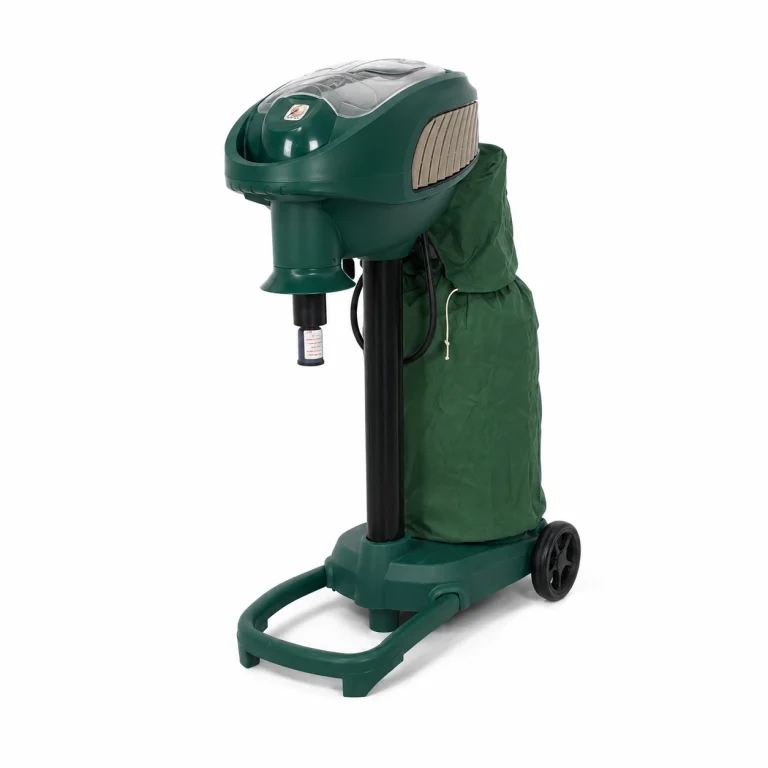
Outdoor mosquito control
Large-Area Mosquito Trap
For an outdoor trapping-system review where placement and service planning matter.
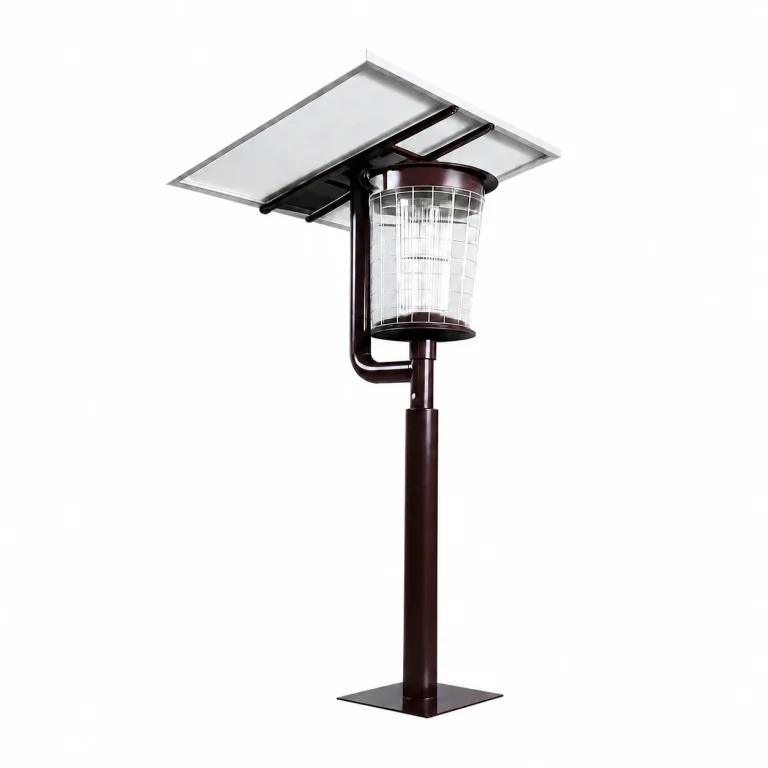
Solar mosquito equipment
Solar Mosquito Killer Lamp
For outdoor solar product discussions where site conditions and product data are confirmed.
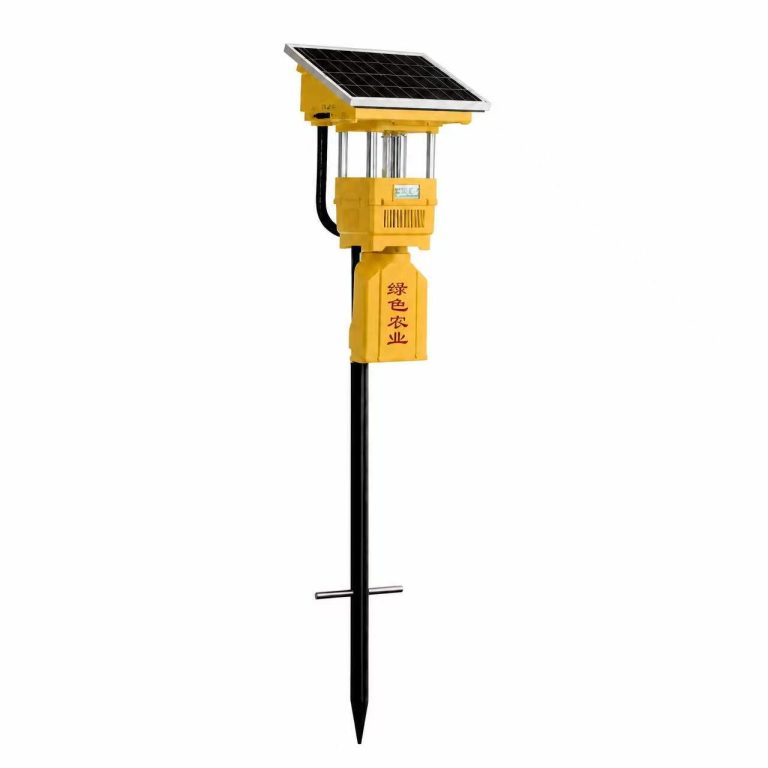
Solar insect-control equipment
TDB-1109 Solar Insect Killer Lamp
For a model-specific solar insect-control discussion in an intended outdoor application.
PLANNING CONVERSATION
Separate the Wider Site into Reviewable Zones
Use a plan or annotated image to connect structures, vegetation, public movement, service access, and proposed equipment options. Final placement depends on confirmed product data and site review.
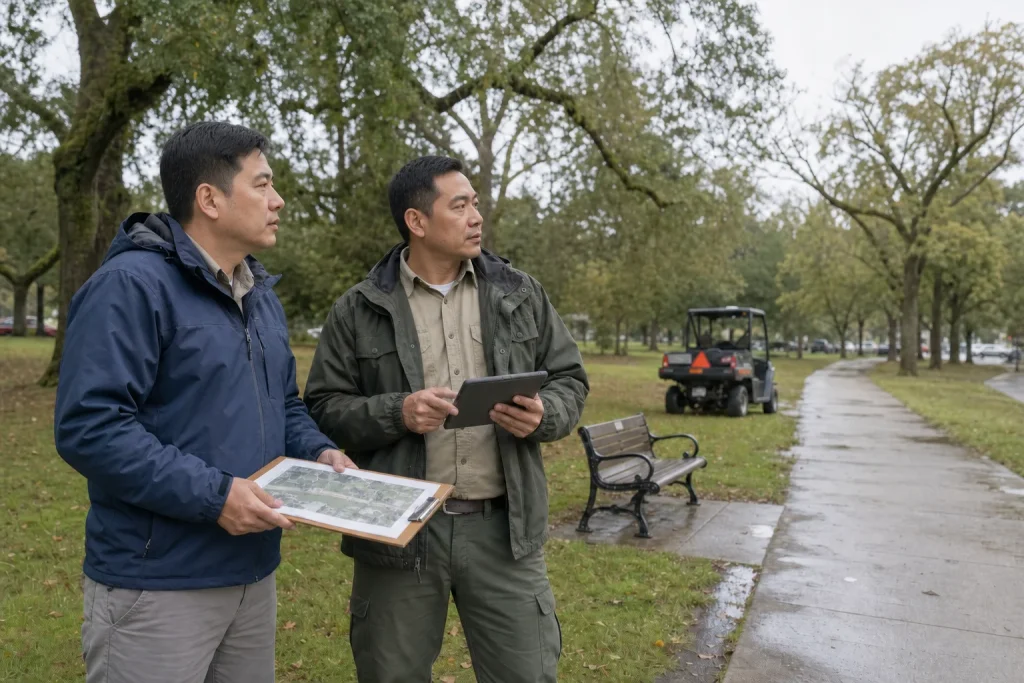
Turn Site Conditions into a Clear BriefUse a walkthrough to record zones, movement routes, maintenance access, and other placement constraints.
OUTDOOR & PUBLIC SPACES FAQ
Questions for the First Review
Do not assume that. Divide the site into operating zones and compare equipment options against exposure, access, and service requirements.
Share a site plan or images, the intended zones, power access, weather exposure, public-use pattern, and service responsibility.
These visuals show typical operating environments.
After the site, selected system, current product data, and operating constraints have been reviewed.
PROJECT REVIEW
Send the Details That Affect Product Fit
You do not need a finished specification. Share the site or market, operating environment, buyer role, product interest, and the decision you need to make next.
What happens next:
We review the brief, identify missing decision-critical information, and continue with the most relevant product, document, or project discussion.