
INSECT KILLER LAMP MANUFACTURER
Insect Killer Lamp and Mosquito Trap Manufacturer
Choosing mosquito and fly control equipment starts with the operating environment, power access, service routine, and buying model, not a product list. BIDE helps distributors, facility teams, and project buyers compare insect killer lamps, mosquito traps, fly control equipment, and customization paths before requesting a quotation.
ABOUT BIDE
Reduce Selection Risk Before You Compare Models
Outdoor exposure, indoor hygiene needs, power availability, placement, servicing, and market documentation can all change the right product path. Start with these decision factors so the inquiry focuses on equipment that fits the operating context.
The factory facility photo shows the BIDE manufacturing site. Exact specifications, certificates, commercial terms, and market documents are confirmed for the relevant product before quotation.
- Factory context: Our facility imagery gives buyers a clearer operating background.
- Document-led review: current documents are checked by model, market, and inquiry scope.
- B2B discussion path: reviews start with application, buyer role, service needs, and OEM scope.
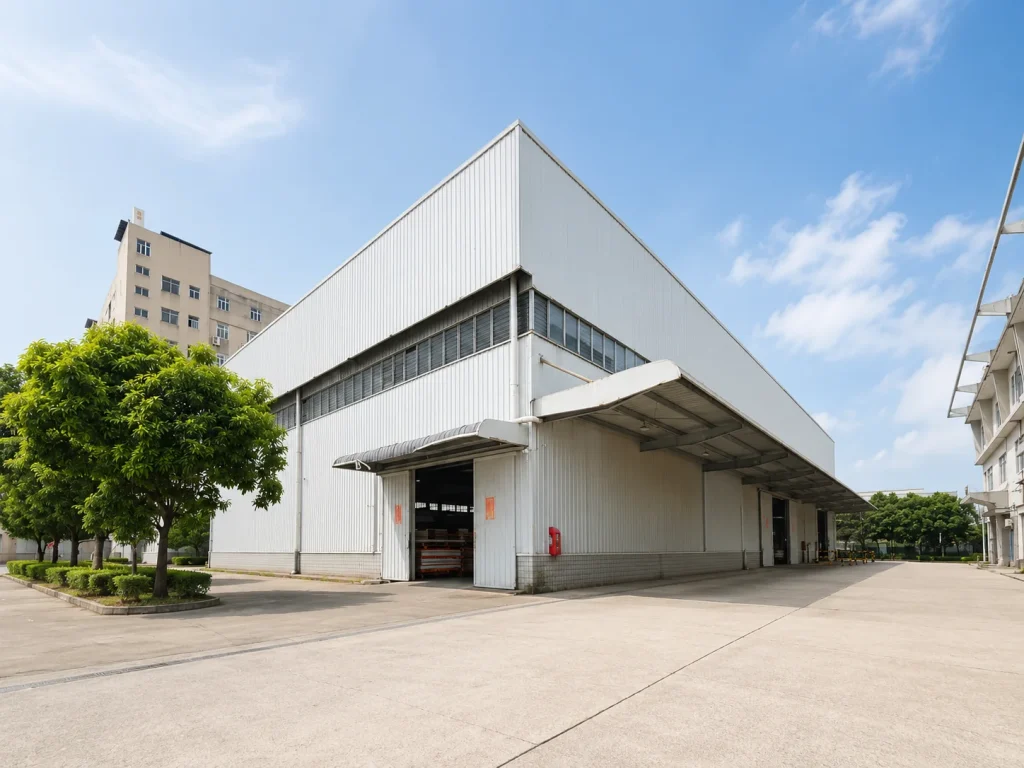
See the BIDE Facility at a GlanceA straightforward exterior view adds company context before buyers move into products, documents, and project requirements.
SOLUTIONS BY NEED
Choose by Application

Hospitality & Facilities
For resorts, hotels, campuses, and managed commercial environments.

Outdoor & Public Spaces
For parks, gardens, public areas, and open-space projects.

Distribution & OEM
For portfolio sourcing, channel planning, and market-specific product discussions.
Choose by Operating EnvironmentUse hospitality, public-space, or distribution needs to narrow the most relevant product and project path.
START WITH THE PROJECT
Select the System Before the Model
The wrong product category can waste review time and leave placement, maintenance, or documentation questions unresolved. Define the environment and operating constraints first, then compare the relevant system and model.
Application
Where will the system operate, and who is responsible for the space?
Site conditions
Indoor or outdoor, power access, weather exposure, and placement constraints.
Purchase model
Project procurement, distributor sourcing, PCO deployment, or OEM / ODM.
SIX CORE ENTRY POINTS
Explore Product Systems
Start with the system that matches the operating environment and control method. Then review the current model, service considerations, and documents relevant to the inquiry.
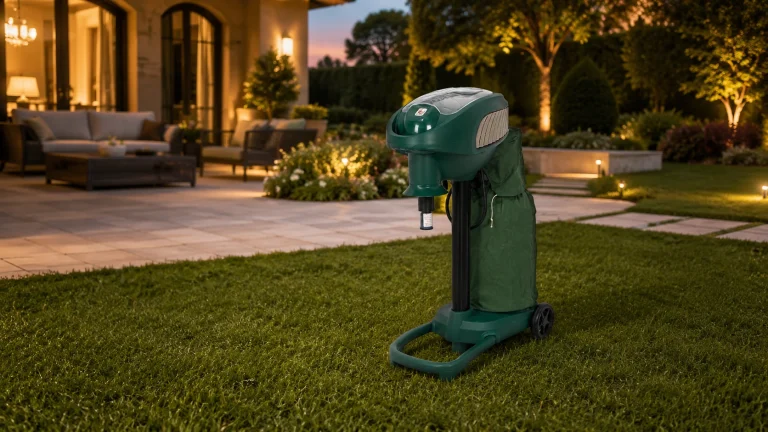
Large-Area Mosquito Traps
Mosquito-control solutions for gardens, resorts, parks, communities, and other managed outdoor environments.
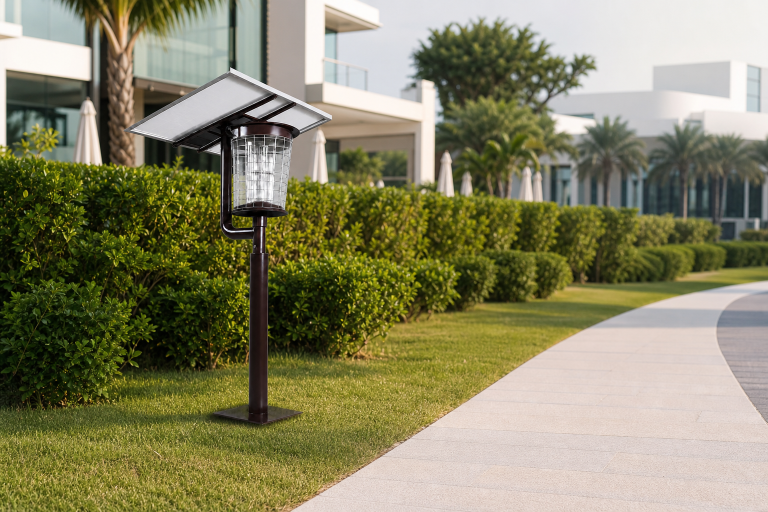
Outdoor Insect Killer Lamps
Solar-powered and AC-powered insect control lamps for garden, landscape, public-area, agricultural, and orchard use.
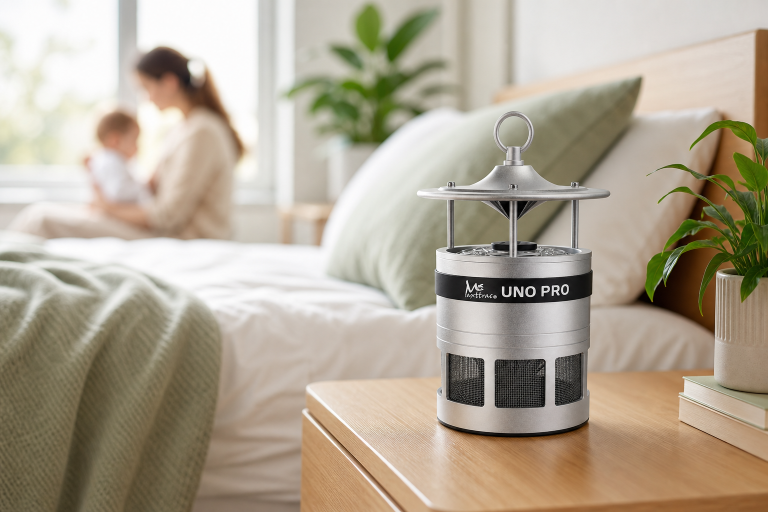
Indoor Suction Insect Traps
Suction-based insect trapping equipment for hotels, restaurants, offices, shops, warehouses, and commercial facilities.
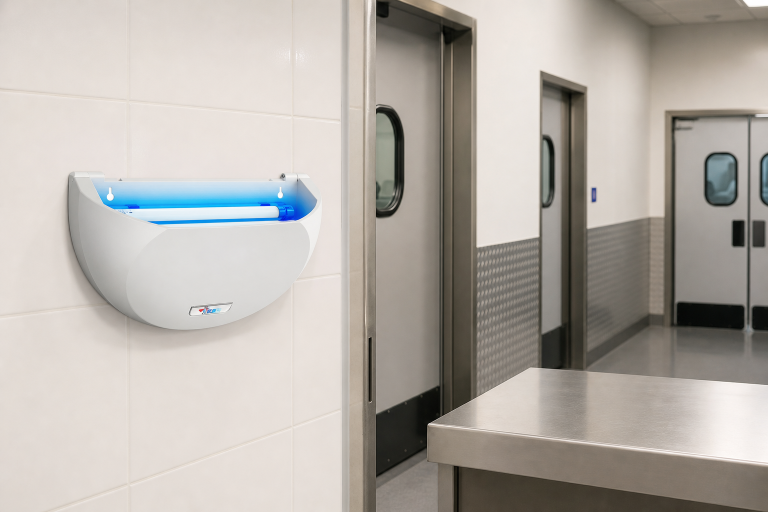
Commercial Glue Board Fly Killers
Glue-board fly control equipment for restaurants, kitchens, hotels, offices, and commercial indoor spaces.
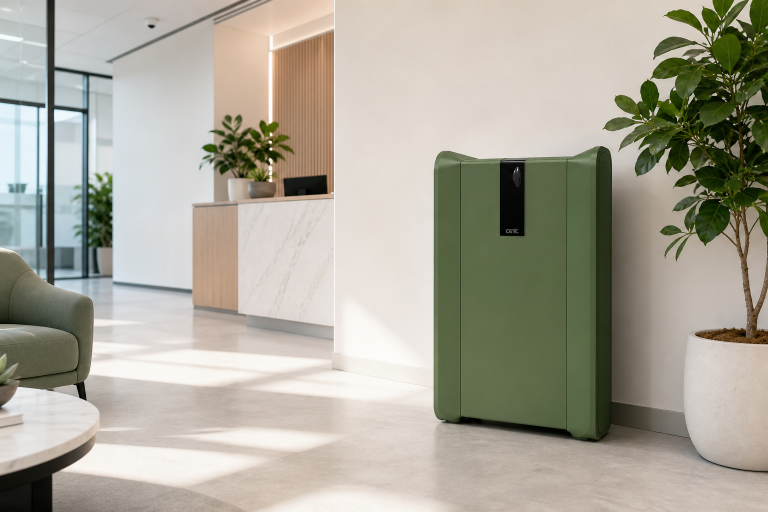
Air Disinfection Solutions
Air purification and disinfection equipment for healthcare, education, office, and public indoor environments.

Customized Pest Control Solutions
OEM, ODM, branding, power-supply, appearance, packaging, and project customization discussions.
SOLUTION EXPLANATION
From Site Conditions to Placement Discussion
The planning scene shows how a project conversation can connect a printed site map with real access, planting, and operating conditions. Final placement depends on the selected product, site assessment, and operating constraints.

Plan Around the Real SiteConnect access, landscaping, power, service routes, and placement constraints before narrowing the equipment.
OEM / ODM & PROJECT SUPPORT
Move from Brief to Supported Delivery
A staged process keeps product selection, documentation, delivery expectations, and after-sales discussion aligned.
Step 1
Consult & assess
Share the site, market, buyer role, and current decision point.
Step 2
Plan & recommend
Narrow the product system and identify missing information.
Step 3
Design & customize
Discuss market-specific product, packaging, or documentation needs.
Step 4
Build & quality check
Align the confirmed configuration and applicable quality requirements.
Step 5
Deliver & support
Coordinate delivery information and deployment preparation.
Step 6
After-sales partnership
Clarify documentation, consumables, service, and follow-up needs.
THE BIDE ROLE
A Project Partner, Not Just a Product List
This site is designed to help professional buyers move from an operating need to a useful equipment and project discussion. The goal is clarity across application, product selection, documentation, and service expectations.
We do not use unverified numbers, specifications, certifications, or customer claims to fill content gaps. Confirmed product information and available documents are handled in the relevant inquiry.
BEFORE YOU INQUIRE
Useful Questions, Clear Boundaries
We keep the first conversation practical and avoid filling gaps with guessed specifications or unsupported claims.
Site type, country or region, indoor or outdoor conditions, buyer role, current challenge, expected service routine, and any known project or sourcing timeline.
Yes. State what is confirmed and identify the current decision point. Leave unverified data out rather than replacing it with estimates.
OEM / ODM discussions can begin with the target market, product category, packaging, documentation, and purchasing model. Feasibility is confirmed after the brief is reviewed.
No. Application and planning images show typical operating environments. Product images in the system overview are mapped to existing product assets.
Request the relevant product system in the inquiry form. Only confirmed product data and available supporting documents should be shared.
PROJECT REVIEW
Send the Details That Affect Product Fit
You do not need a finished specification. Share the site or market, operating environment, buyer role, product interest, and the decision you need to make next.
What happens next:
We review the brief, identify missing decision-critical information, and continue with the most relevant product, document, or project discussion.